Objeto de Entidad Biológica (BEO)
"La identidad biológica soberana de un ser humano. El punto de anclaje de toda la vida medida."
¿Qué es un BEO?
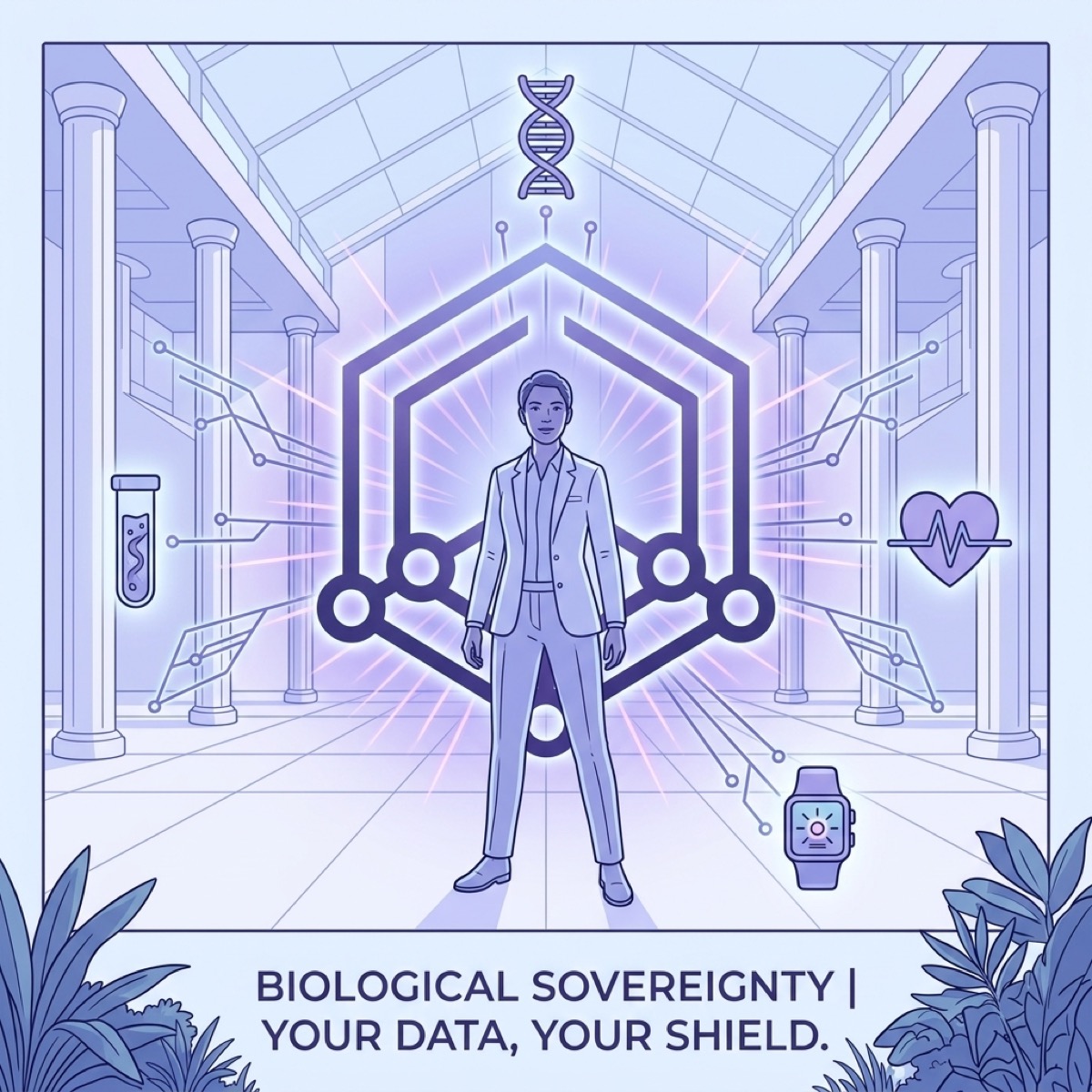
El BEO es la base de todo el ecosistema BSP. Representa a un ser humano vivo — el propietario soberano de sus datos biológicos. Todos los BioRecords de una persona están anclados a él. Todos los ConsentTokens que autorizan el acceso se emiten desde él.
Un BEO es creado por el individuo directamente en Arweave, sin aprobación de ninguna autoridad. Una vez creado, pertenece al titular para siempre.
BEO vs IEO — Distinción Fundamental
| Característica | BEO | IEO |
|---|---|---|
| Representa | Un ser humano vivo | Una organización, sistema o profesional |
| Creado por | El individuo — sin aprobación necesaria | Cualquier institución — directamente |
| Transferible | Nunca — identidad individual permanente | Sí — en adquisición o fusión empresarial |
| Puede leer BEOs | Solo sus propios datos | Nunca sin un ConsentToken válido |
| Puede escribir BioRecords | No puede — los individuos observan, no registran | Sí — con ConsentToken activo |
| Formato de dominio | nombre.bsp | institucion.bsp |
Identidad Criptográfica
El control del BEO está determinado enteramente por la posesión de la clave privada.
| Clave | Tipo | Uso |
|---|---|---|
private_key | Ed25519 (64 bytes) | Generada localmente, nunca transmitida. Firma autorizaciones, descifra BioRecords, firma transacciones Arweave. |
public_key | Ed25519 (32 bytes) | Registrada públicamente en Arweave. Los laboratorios la usan para identificar tu BEO y cifrar datos antes del envío. |
seed_phrase | 24 palabras BIP-39 | Representación mnemónica de la clave privada. Guárdala offline — es tu copia de seguridad. |
Generación de Claves
// 100% en el dispositivo — nada se envía a ningún servidor
const entropy  = crypto.getRandomValues(new Uint8Array(32))
const mnemonic = bip39.entropyToMnemonic(entropy)
const seed     = await bip39.mnemonicToSeed(mnemonic)
const keyPair  = ed25519.fromSeed(seed.slice(0, 32))

const privateKey = keyPair.secretKey  // permanece en el dispositivo para siempre
const publicKey  = keyPair.publicKey  // registrada en Arweave
Recuperación Social
Si pierdes tu dispositivo y tu frase semilla, la Recuperación Social te permite recuperar el acceso usando Guardianes de confianza — sin necesidad de servidor central.
- Hasta 3 Guardianes: personas o plataformas de confianza que designas
- Umbral: 2 de 3 confirmaciones requeridas (por defecto)
- Mecanismo: Shamir Secret Sharing — tu clave se divide en 3 fragmentos cifrados almacenados en Arweave
- Seguridad: Ningún guardián puede actuar solo. El Instituto nunca está involucrado.
Flujo de Recuperación
1. Usuario abre app en dispositivo nuevo → no se encuentra clave privada
2. App genera nuevo par de claves localmente
3. Solicitud de recuperación publicada en Arweave (transacción RECOVERY_REQUEST)
4. Dos guardianes descifran sus fragmentos y publican transacciones GUARDIAN_CONFIRM
5. BEORegistry actualiza el BEO con la nueva clave pública
6. Acceso restaurado — clave antigua invalidada permanentemente
Schema Completo del BEO
{
  "beo_id":     "uuid-v4",
  "domain":     "andre.bsp",
  "public_key": "ed25519_pub_...a1b2",
  "created_at": "2026-01-10T14:32:00Z",
  "version":    "1.0.0",

  "recovery": {
    "enabled":   true,
    "threshold": 2,
    "guardians": [
      {
        "contact":     "maria.bsp",
        "public_key":  "ed25519_pub_...",
        "role":        "primary",
        "status":      "active",
        "accepted_at": "2026-01-10T15:00:00Z"
      }
    ]
  },

  "status":      "ACTIVE",
  "locked_at":   null,
  "key_version": 1
}
Schema del BioRecord
Cada medición biológica adjuntada a un BEO es un BioRecord:
{
  "record_id":    "arweave-tx-id",
  "beo_id":       "uuid-v4",
  "ieo_id":       "uuid-v4",
  "biomarker":    "BSP-LA-004",
  "value":        4.8,
  "unit":         "%",
  "collected_at": "2026-02-26T08:00:00Z",
  "submitted_at": "2026-02-26T09:00:00Z",
  "ref_range": {
    "optimal":    "4.0-6.0",
    "functional": "3.5-6.5",
    "deficiency": "<3.5",
    "toxicity":   null
  },
  "status":     "CURRENT",
  "supersedes": null,
  "data_hash":  "sha256_..."
}
Los BioRecords son inmutables. Las correcciones se envían como nuevos registros que
supersedenal anterior — el error permanece en el historial.
Estados del Ciclo de Vida
| Estado | Descripción |
|---|---|
ACTIVE | Operación normal. Todas las operaciones autorizadas permitidas. |
LOCKED | Bloqueado voluntariamente por el titular — útil si se sospecha compromiso. Ninguna institución lee o escribe. El progreso de recuperación se rastrea en active_recovery.status. |
Contratos Inteligentes — Operaciones BEO
BEORegistry
| Función | Quién puede llamar | Descripción |
|---|---|---|
createBEO() | Cualquiera | Crea un nuevo BEO. Abierto — sin aprobación necesaria. |
getBEO() | Cualquiera | Devuelve datos públicos del BEO. |
updateRecovery() | Solo titular del BEO | Configurar o actualizar la configuración de guardianes. |
lockBEO() | Solo titular del BEO | Bloquea temporalmente todas las operaciones. |
rotateKey() | Titular del BEO (recuperación) | Reemplaza la clave pública tras recuperación exitosa. |
AccessControl
| Función | Quién puede llamar | Descripción |
|---|---|---|
issueToken() | Solo titular del BEO | Emite un nuevo ConsentToken a un IEO. |
revokeToken() | Solo titular del BEO | Revoca inmediatamente un ConsentToken. |
verifyToken() | Cualquier IEO | Comprueba si un token es válido para una operación específica. |
getTokenHistory() | Solo titular del BEO | Registro de auditoría completo de todos los tokens emitidos. |
IMPORTANT
issueToken() y revokeToken() están reservados exclusivamente para el titular del BEO. Ninguna institución — ni siquiera el Ambrósio Institute — puede otorgar o revocar el acceso a los datos de una persona.
Crear un BEO con el SDK
from bsp_sdk import BEOBuilder, Guardian

beo = BEOBuilder(domain="andre.bsp").build()
result = beo.register()

print(result.beo_id)      # UUID permanente en Arweave
print(result.domain)      # andre.bsp
print(result.seed_phrase) # 24 palabras — guárdalas offline, nunca digitalmente

# Opcional: configurar Recuperación Social
beo.update_recovery(
    guardians=[
        Guardian(contact="maria.bsp",   role="primary"),
        Guardian(contact="+5511999...", role="secondary"),
        Guardian(contact="carlos.bsp",  role="tertiary"),
    ],
    threshold=2
)
Derechos del Titular (Incondicionales)
- ✓ Siempre recuperar tu BEO usando la frase semilla
- ✓ Siempre revocar cualquier ConsentToken, instantáneamente
- ✓ Siempre exportar todos tus datos (intent
EXPORT_DATA) - ✓ Siempre bloquear tu BEO
- ✓ Siempre elegir o reemplazar guardianes